Our Products
Wheat
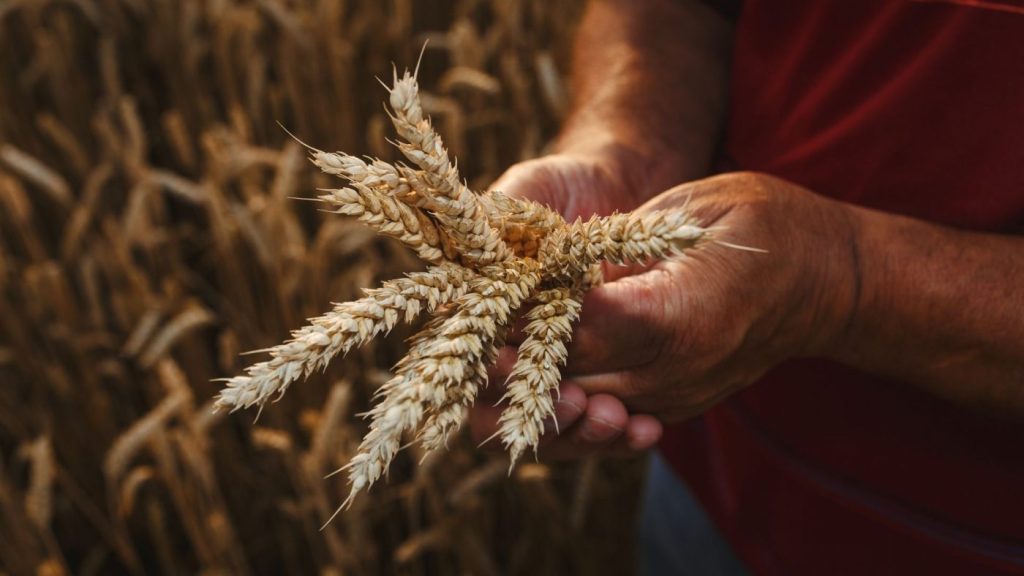
Wheat is a staple grain widely used both in human nutrition—primarily in the form of flour—and in the production of animal feed. Depending on the processing method, wheat can be milled with or without its outer shell (bran).
In animal nutrition, wheat serves as a high-energy feedstuff, and it is commonly grown specifically for livestock feed. It provides a good balance of carbohydrates and protein, making it suitable for a variety of farm animals.
Sweetcorn
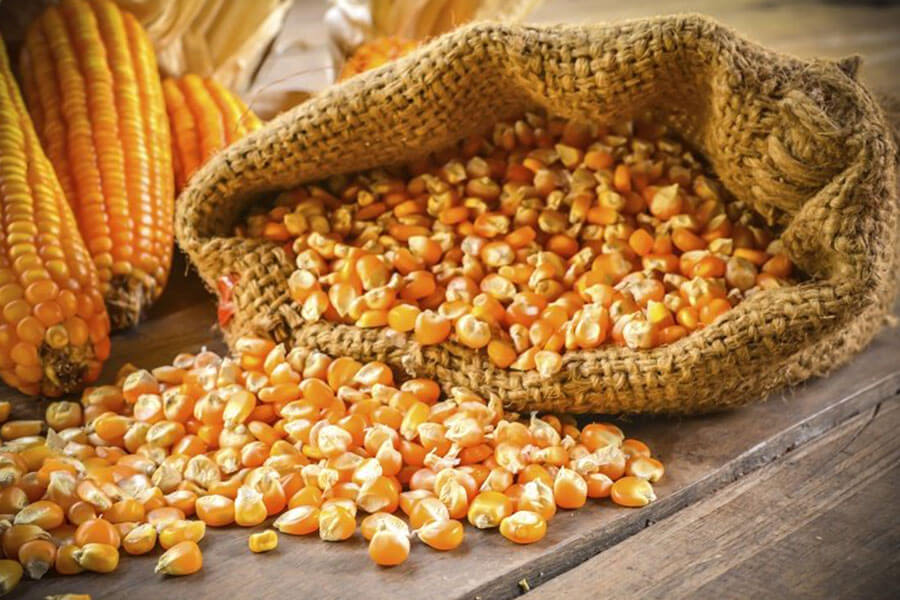
The biological value of corn protein, particularly its content of lysine and tryptophan, is limited due to the imbalanced amino acid profile. These essential amino acids are present in relatively low amounts, which restricts the overall protein quality of corn in animal and human nutrition.
Its crude oil content is the highest among cereals after oats, with each kernel containing approximately 3% oil. Corn oil is widely used not only for cooking but also in various industrial applications, ranging from food processing to cosmetics and biofuels.
Barley
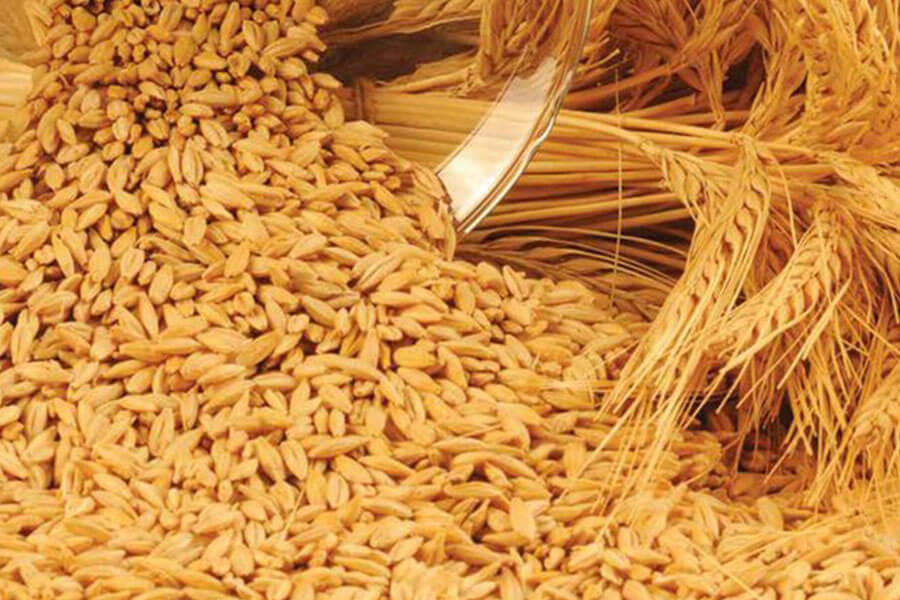
When used as animal feed, barley should have a high protein content. However, a thick hull reduces its nutritional value, as it adds indigestible fiber and lowers energy density. Therefore, six-row barley, known for its higher protein content and lower hull proportion, is preferred for livestock feed.
In contrast, brewing barley (used for beer production) requires a lower protein content, typically between 9% and 10.5%, to ensure high-quality malt. For this reason, two-row white barley is commonly used in the brewing industry, as it produces malt with ideal enzymatic and fermentative properties.
ATK
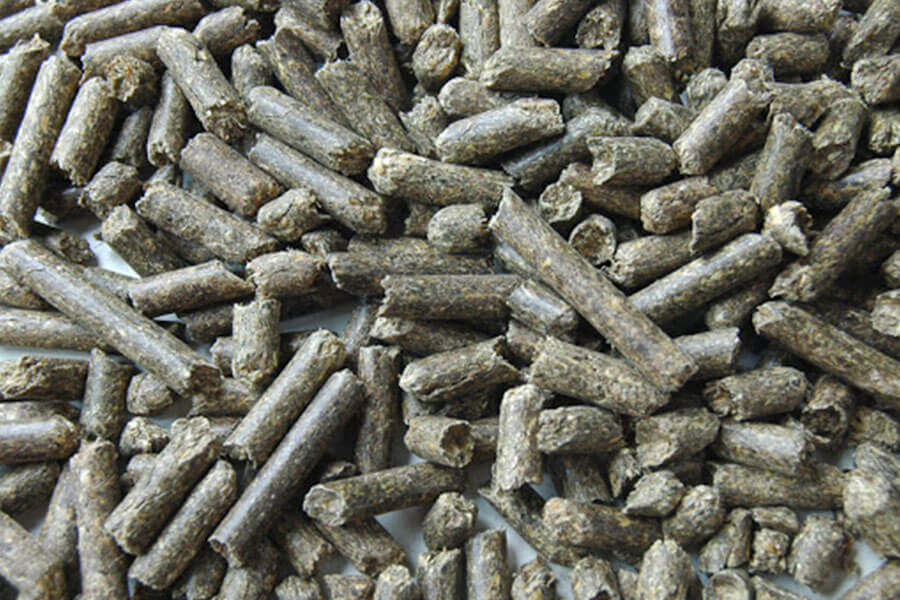
This is an oil industry by-product obtained through the extraction of sunflower seeds followed by appropriate heat treatment. It contains lower protein levels and is typically used in animal feed formulations where energy and fiber are more critical than high protein content.
EXPLORE Sunflower Meal
Produced by mechanically pressing sunflower seeds, this type of sunflower meal retains more oil compared to solvent-extracted versions. It has a moderate protein content and is commonly used in feed for various farm animals due to its good fiber and energy value.
Soybean Meal
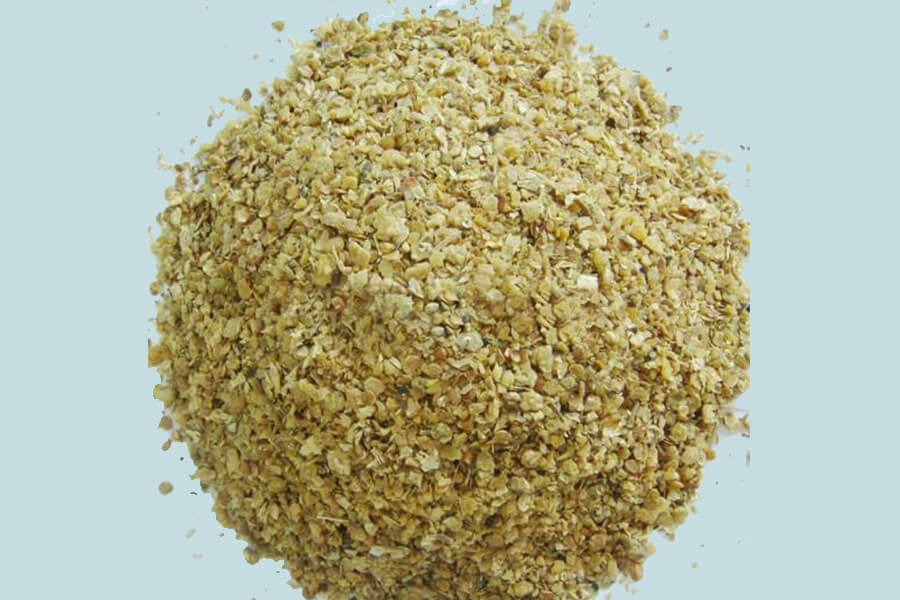
Soybean meal is the most widely used plant-based protein source in the global livestock industry, particularly in the nutrition of ruminants and poultry.
It is produced by grinding the residue left after extracting oil from soybeans through the solvent extraction process. The resulting solvent-extracted soybean meal is commonly available worldwide and is known for its palatability, high digestibility, and richness in essential amino acids such as lysine, methionine, and threonine—making it an extremely valuable raw material in animal nutrition.
DDGS
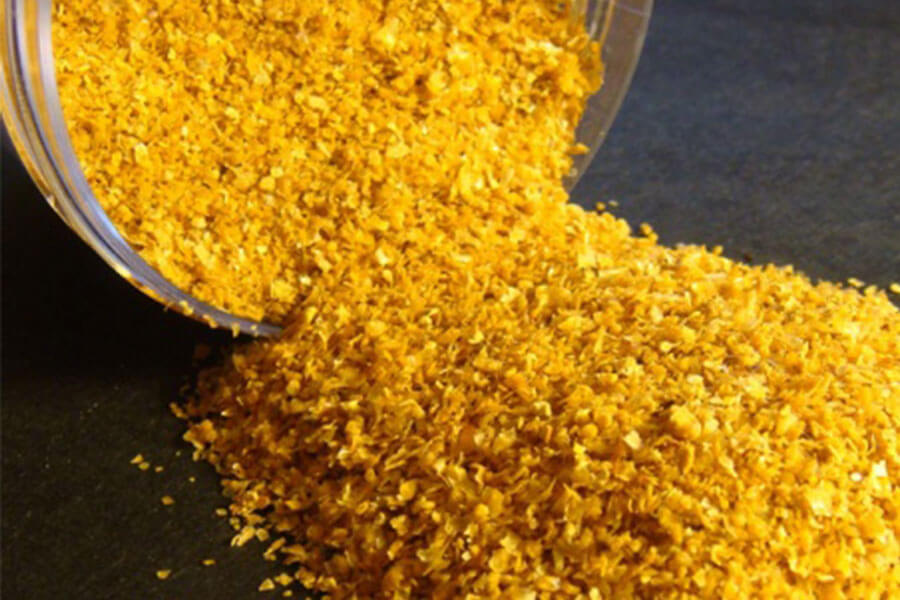
DDGS (Dried Distillers Grains with Solubles) is a by-product of the dry milling process of corn, produced after the fermentation of grain into ethanol. It is a high-energy, high-protein ingredient that retains the valuable nutritional components left behind after fermentation.
DDGS is widely recognized as a valuable feed resource for all types of livestock. For ruminants, it offers easily digestible fiber, low starch content, a good supply of phosphorus, B vitamins, and high levels of bypass protein, which is essential for efficient nutrient absorption.
Wheat Bran
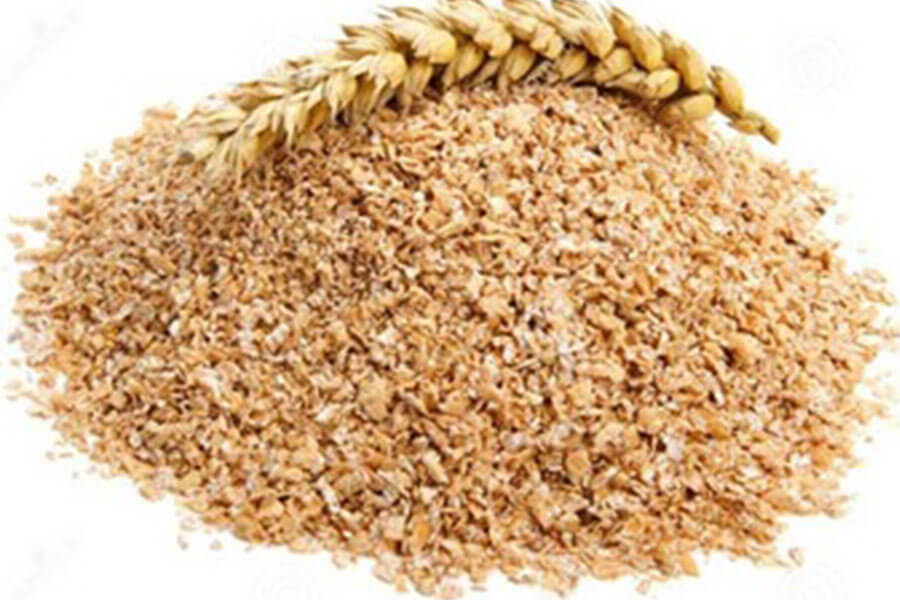
This outer layer is rich in cellulose, a substance that the human body cannot digest. However, many ruminant animals possess the enzymes needed to break it down, making bran a valuable by-product traditionally used as animal feed.
Today, we understand that even though bran is indigestible, it still plays an important role in human health. Dietary fiber, like that found in bran, is now recognized as essential for a healthy digestive system—even though it doesn’t provide nutrients in the traditional sense.
Corn Bran
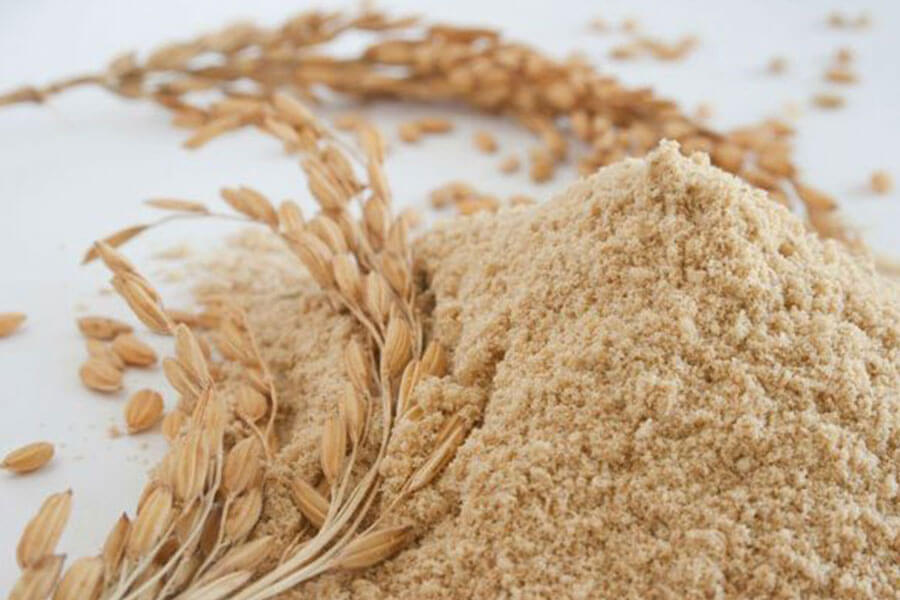
Bran refers to the outermost layer of grains. When grains are milled and sifted, the flake-like layer that remains on the sieve is referred to as the skin. This skin is composed largely of cellulose and is indigestible by the human body. However, most ruminant animals possess enzymes that enable them to break down this material. Because of this property, bran, which is a by-product of the milling process, has historically been utilized as animal feed. Furthermore, it is now recognized that the human body also benefits from certain non-nutritive and indigestible substances, commonly known as fiber.
Rice Bran